

Egg Prices Are Finally Giving Grocery Shoppers a Clearer Budget Break
USDA's June food-price update shows retail egg prices down sharply from last year and forecasts a further 2026 decline. The relief is real but narrow: beef, vegetables, coffee and restaurant meals are still keeping grocery planning uneven.
Pending review
This article is in WireNorth's review workflow and may include AI-assisted research, drafting, or formatting. Pending articles are not eligible for search indexing until editor review is complete.
Editorial standards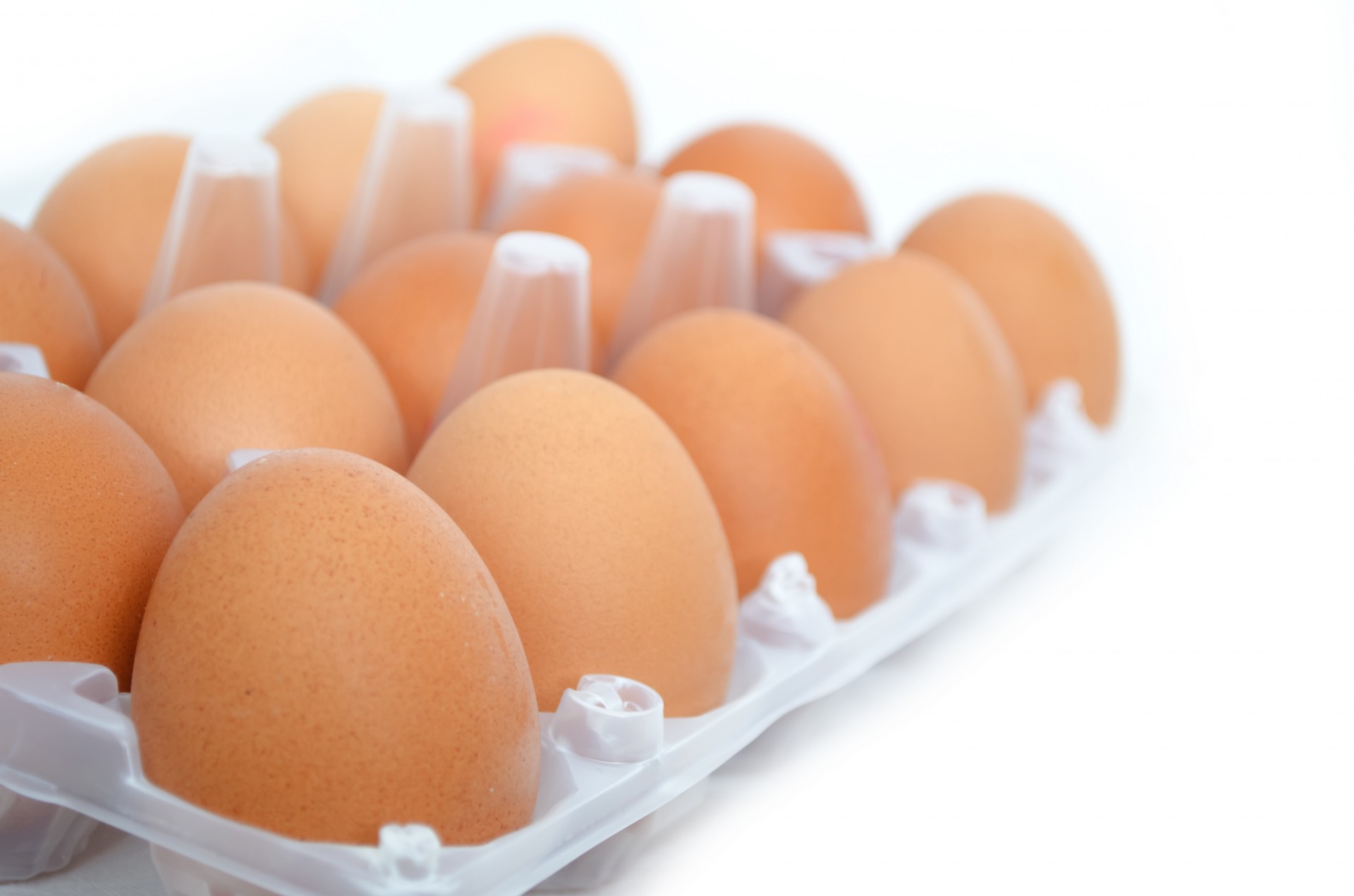
Why it matters
USDA's June food-price update shows retail egg prices down sharply from last year and forecasts a further 2026 decline. The relief is real but narrow: beef, vegetables, coffee and restaurant meals are still keeping grocery planning uneven.
Egg prices are finally giving U.S. grocery shoppers a clear budget break, according to USDA's June 25 Food Price Outlook. The relief is useful for households trying to plan cheaper meals, but it is not broad grocery relief: beef, fresh vegetables, coffee and restaurant meals are still moving in the wrong direction for many budgets.
The practical takeaway is simple. Shoppers who had treated eggs as a problem item last year can now use them again as a lower-cost protein in more weekly meals, while still watching the categories USDA says remain hot. The smartest grocery read is not that food inflation is over, but that the basket has split.
| Category | Latest signal | Budget meaning |
|---|---|---|
| Eggs | USDA says retail egg prices were 35.2% lower in May than a year earlier and predicts a 30.4% decline for 2026. | A former pain point is now one of the clearest places to rebuild cheaper breakfasts, lunches and protein-heavy dinners. |
| Groceries overall | BLS says food-at-home prices rose 0.1% in May and were 2.7% higher than a year earlier. | The monthly grocery increase was mild, but prices are still above last year's level. |
| Beef and veal | USDA says beef and veal prices were 12.9% higher in May than a year earlier and forecasts a 7.5% 2026 increase. | Beef remains a category to compare carefully or swap out when the weekly bill needs trimming. |
| Fresh vegetables | USDA says fresh vegetable prices were 11.9% higher in May than a year earlier, with fresh tomatoes up 32.0%. | Produce relief is uneven, so shoppers may need to compare fresh, frozen and sale items. |
| Eating out | USDA forecasts food-away-from-home prices up 3.6% in 2026, faster than grocery prices. | More meals at home can still matter, especially when they lean on categories that are easing. |
What changed in the grocery data
USDA's Economic Research Service says the June forecast incorporates May CPI and producer-price data. The headline is mixed: all food prices are forecast to rise 3.2% in 2026, food-at-home prices are forecast to rise 2.8%, and food-away-from-home prices are forecast to rise 3.6%.
Inside that basket, eggs stand out. USDA says retail egg prices fell 1.5% from April to May and were 35.2% lower than in May 2025. The agency now predicts retail egg prices will decline 30.4% in 2026, with a forecast interval ranging from a 37.7% drop to a 21.1% drop.
That matters because eggs were one of the most visible grocery shocks during the bird-flu years. A price decline in a frequent, flexible staple can change weekly meal planning faster than a vague improvement in a broad inflation index.
Why eggs are easing faster than the rest of the basket
USDA links the egg-price improvement to recovering production conditions. Its Food Price Outlook says there were fewer new highly pathogenic avian influenza detections during the first quarter of 2026 than during the same period in 2025, and that replacement pullet availability has been sufficient to cover regular flock turnover and unpredictable HPAI-related losses.
The Poultry Site, summarizing USDA's poultry outlook, reported that table-egg production projections were raised for 2026 and that the annual average wholesale table-egg price projection was cut to 102.6 cents per dozen, which it described as the lowest annual average since 2019. That is trade context, not a retail guarantee, but it supports the same direction as USDA's consumer forecast.
American Farm Bureau Federation also points to the other side of the story: farmgate egg prices have fallen far faster than many producers' costs. For shoppers, that means the shelf-price relief is real. For the farm economy, it is more complicated, because a deep producer squeeze can affect how durable the supply recovery becomes.
The shopper takeaway: substitute, don't celebrate
The best use of this data is practical substitution. If eggs are cheaper where a household shops, they can replace more expensive breakfast meats, some beef dinners, or restaurant meals with lower-cost at-home meals. That does not require a complicated budget plan; it means checking the egg shelf again instead of assuming last year's prices still apply.
The Bureau of Labor Statistics supports the idea that grocery pressure eased in May but did not disappear. BLS said the food-at-home index rose 0.1% in May after rising 0.7% in April, while the broader food index rose 0.2%. Barron's described the same May CPI pattern as a meaningful grocery deceleration, but also noted that restaurant prices remained stickier.
That is the second-layer insight for household budgets: the cheapest move is often not finding one miracle category, but updating habits when relative prices change. A shopper who keeps buying as if eggs are still unusually expensive may miss one of the few clear grocery breaks currently in the data.
The limit: beef, vegetables and coffee are still pressure points
The caveat belongs high in the story. USDA says beef and veal prices were 12.9% higher in May than a year earlier and predicts a 7.5% increase for 2026. It ties tight cattle supplies to a cattle herd that has decreased to its lowest level in 75 years.
Fresh vegetables are another uneven category. USDA says fresh vegetable prices were 11.9% higher in May than a year earlier, with fresh tomatoes up 32.0%. Nonalcoholic beverages were 5.8% higher than a year earlier, with USDA noting coffee as part of that pressure.
So the right reader expectation is narrower than a broad grocery turnaround. Eggs, dairy and some meat categories can help soften meal costs, but the relief depends on what a household actually buys and what local stores are charging.
What to watch next
The next checkpoint is the June CPI release on July 14. If food-at-home prices stay close to flat while eggs continue to fall, the grocery-budget break will look more durable. If energy, feed, disease or transport costs show up in food categories again, May's easing could fade quickly.
For households, the near-term checklist is modest but useful: compare egg prices again, watch beef and fresh vegetables before building the week around them, and treat restaurant meals as the stickier category unless local deals say otherwise. This is not a solved grocery bill. It is a more usable grocery map.
Sources & further reading
- Food Price Outlook - Summary FindingsUSDA Economic Research Service
- Consumer Price Index Summary - May 2026U.S. Bureau of Labor Statistics
- Rising Grocery Prices Ease in MayBarron's
- USDA cuts egg price outlook as output rebounds stronglyThe Poultry Site
- Declining Egg Prices Squeeze FarmersAmerican Farm Bureau Federation
- EggsPublicDomainPictures.net / George Hodan
Recommended reads

July Minimum-Wage Raises Give Workers a Clear Paycheck Checkpoint
Alaska, Oregon, the District of Columbia, California health care employers and more than 20 local jurisdictions have July 1 minimum-wage changes. The raises are targeted rather than nationwide, but they give covered workers a concrete pay floor to check and give small employers a practical payroll deadline.
Read analysis
New State PBM Rules Put Pharmacy Access Ahead of Quick Drug-Price Promises
States are moving against pharmacy benefit managers with transparency, rebate and reimbursement rules, a change that may help local pharmacies and patients compare costs more clearly even if lower out-of-pocket prices are not guaranteed.
Read analysis